
Small Living Room Layout Rules That Always Work (Sofa, TV, Rug, Walkways)
Why your small living room feels “off”
Most small living rooms don’t feel small because of size — they feel small because:
- the walkway is blocked
- the rug is too tiny
- the TV is placed wrong
- furniture is the wrong scale
Fix the layout, and the room instantly feels bigger.
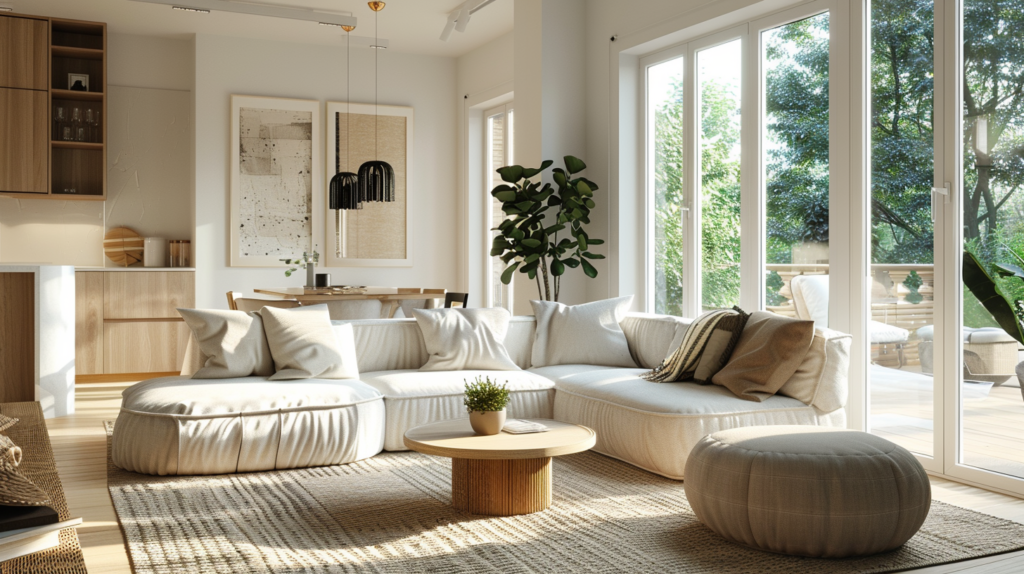
10-Second Layout Cheat Sheet
- Pick one focal point
- Keep one clear walkway
- Anchor everything with a proper rug
- Use fewer, better-sized pieces
- Add one lamp for depth
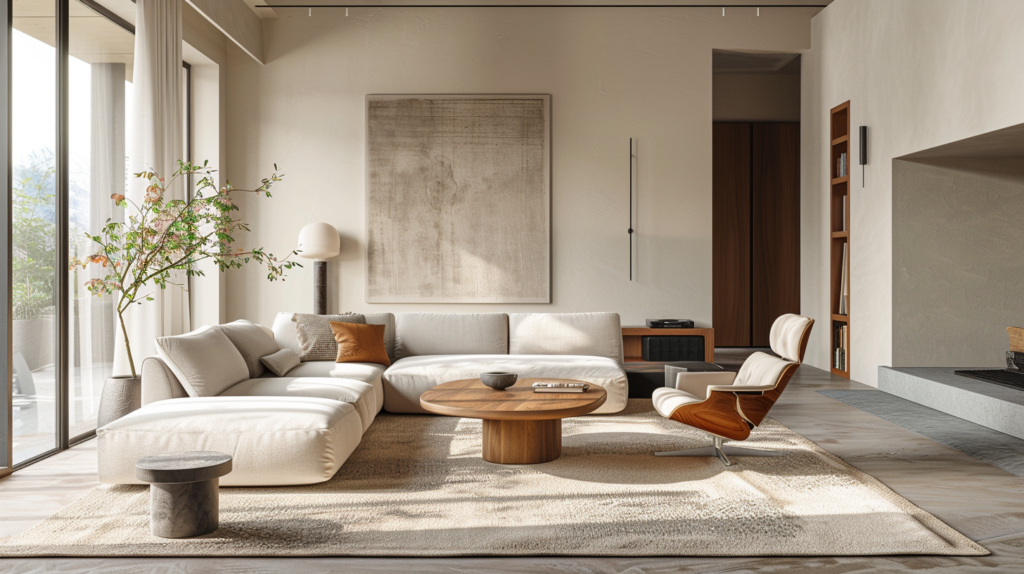
Step 1: Choose ONE focal point (don’t fight it)
Pick only one:
- TV wall
- Window view
- Feature wall / artwork
Everything should face or support that focal point.
Step 2: Sofa placement rules (the real ones)
Rule A: Don’t block circulation
Your entry-to-seating path must stay open. If the path is tight, the room will feel tight.
Rule B: Sofa doesn’t have to touch the wall
If space allows, pulling it slightly forward can feel more “designed.”
If your room is very tight, wall placement is fine — just keep it clean and balanced.
Rule C: Right sofa scale > more furniture
Best small-room picks:
- compact 2.5–3 seater
- slim arms / raised legs (looks lighter)
- L-shape only if it doesn’t block the walkway
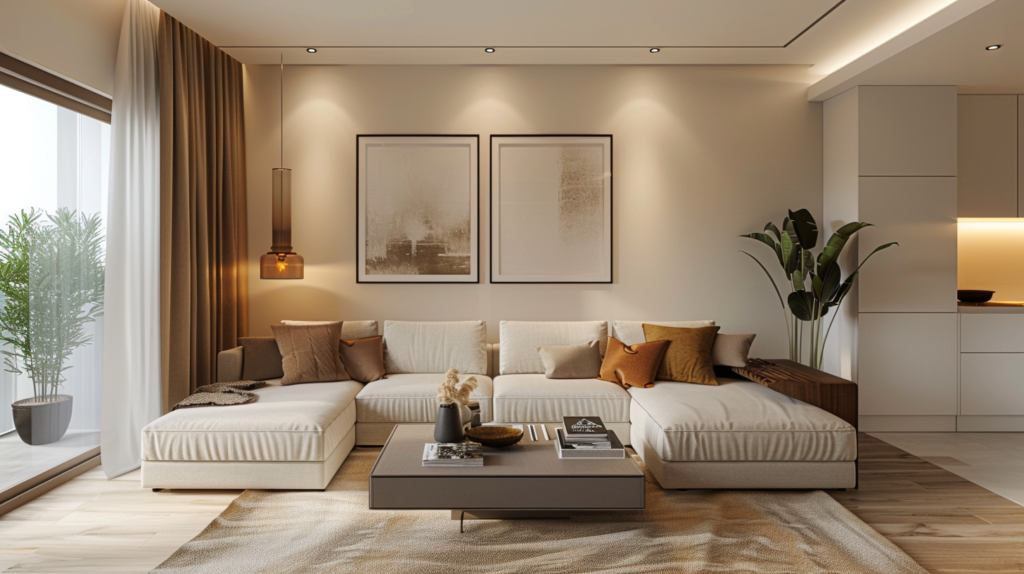
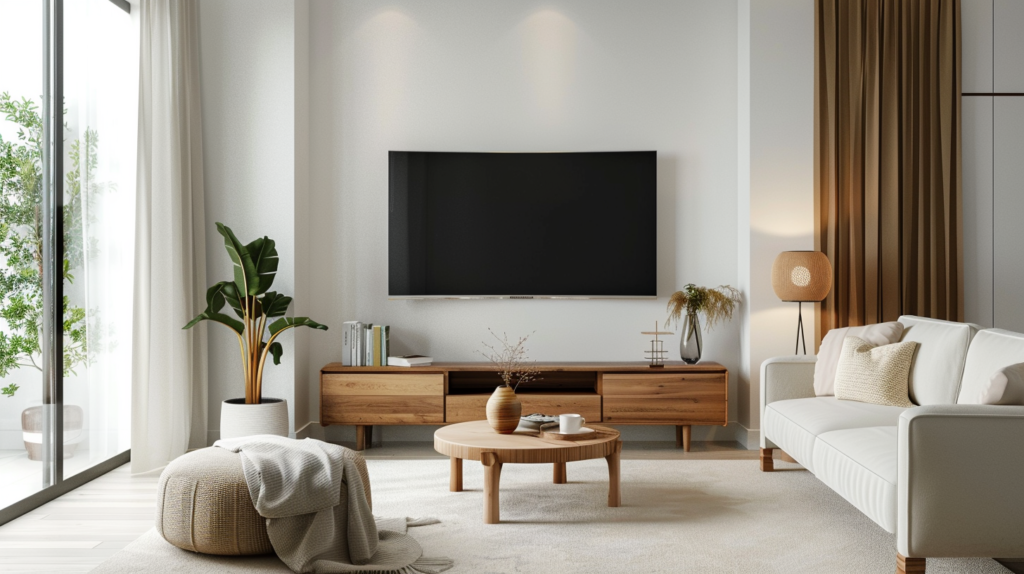
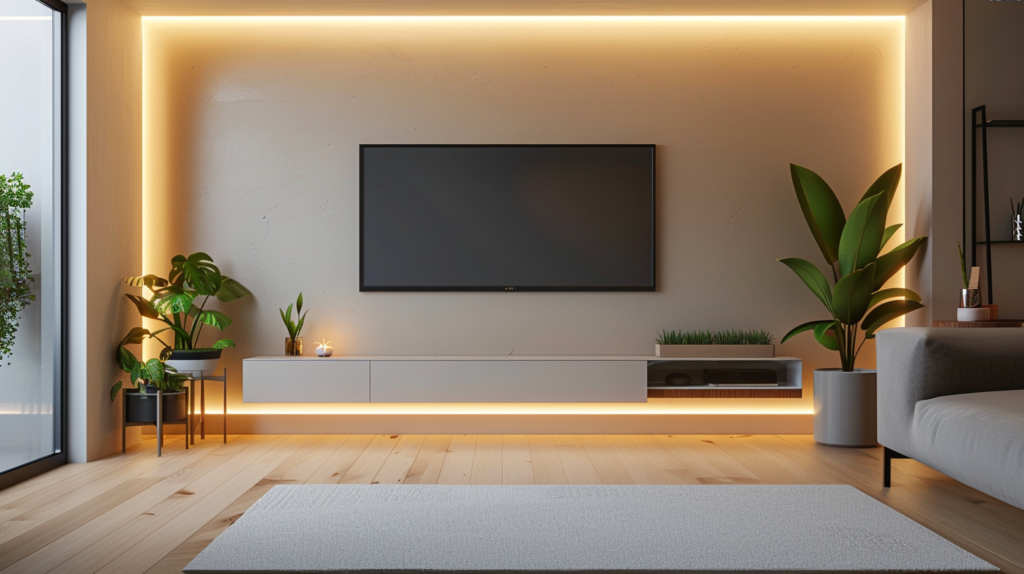
Step 3: TV placement (comfort + looks)
TV height rule
The center of the screen should feel close to eye level when seated.
Too high = neck pain + ugly proportions.
TV wall rule (small rooms)
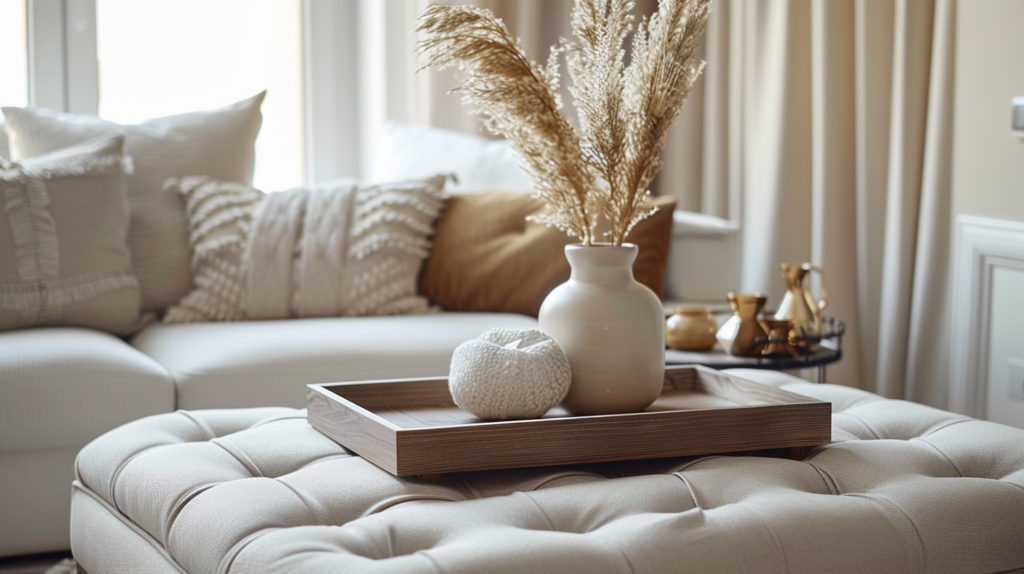
Keep the TV wall clean:
- minimal console
- hidden cables
- one accent element max (art/texture/lighting)
Step 4: Rug rules (this makes the room look bigger)
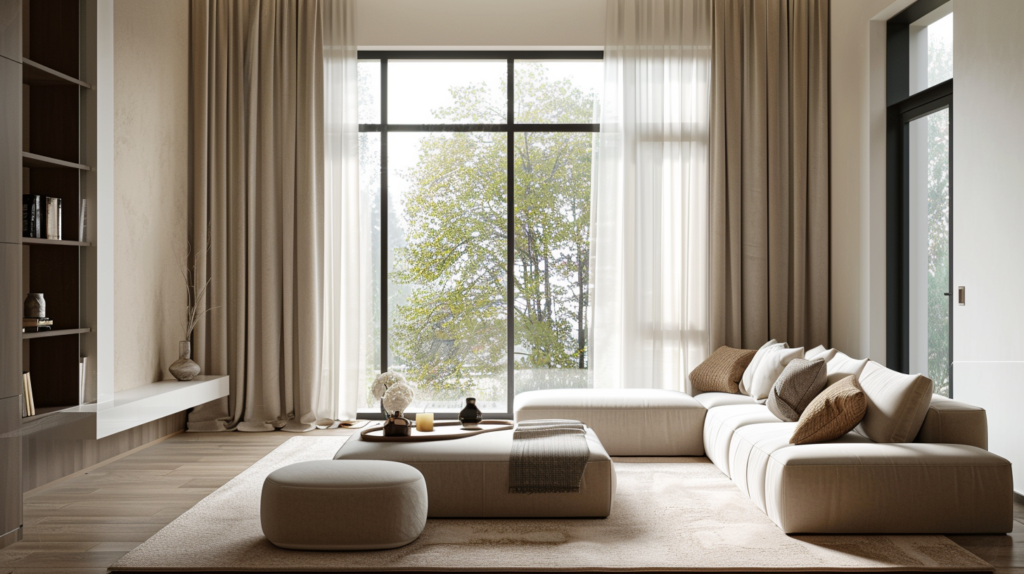
Your rug should connect furniture.
Best setup:
- front legs of sofa + chair on the rug
- rug big enough to “hold” the seating area
Small rug = room looks smaller. Always.
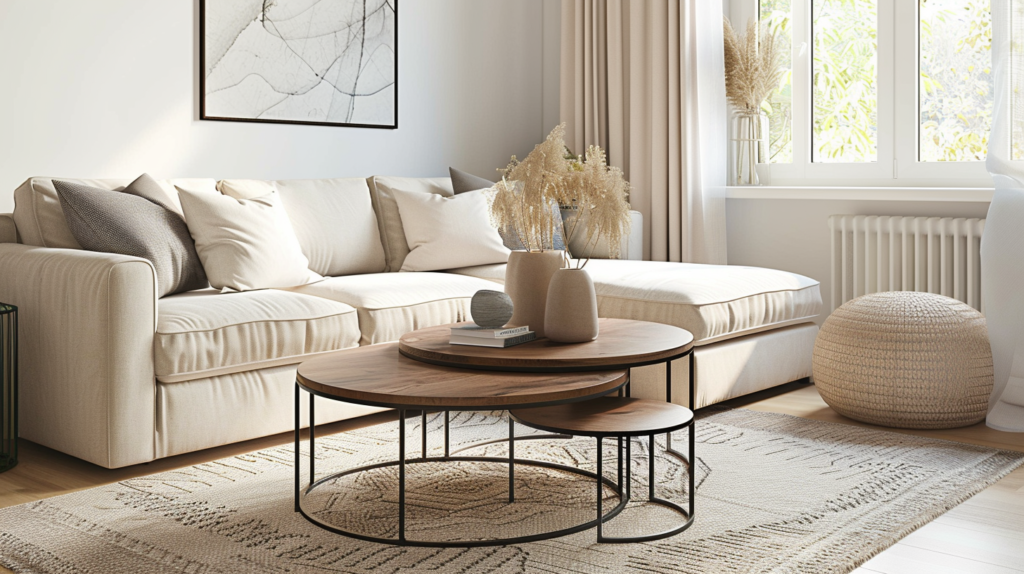
Step 5: Coffee table + side tables (balance + movement)
- Coffee table looks best when it’s around 2/3 the sofa length
- Keep enough space to walk comfortably
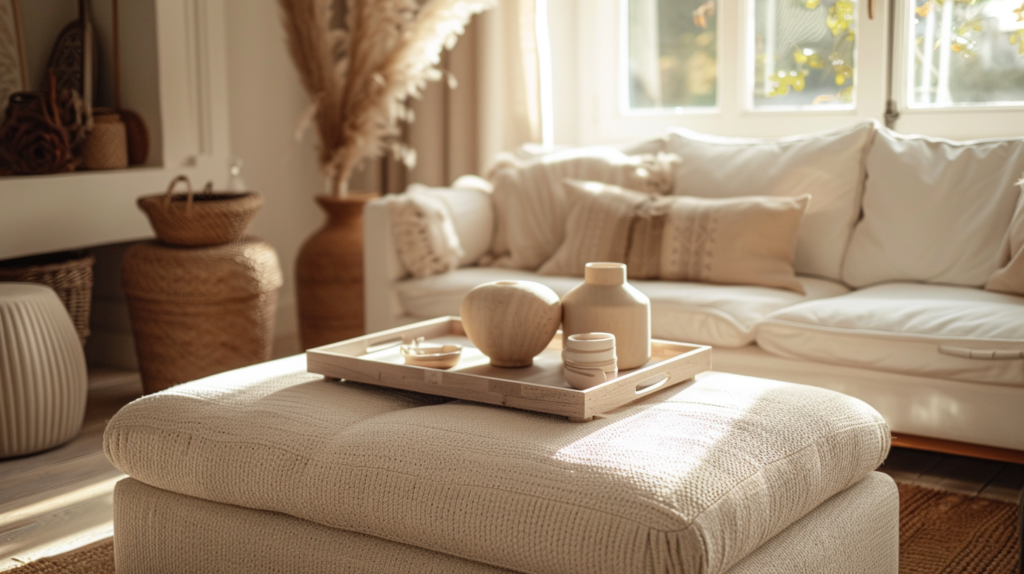
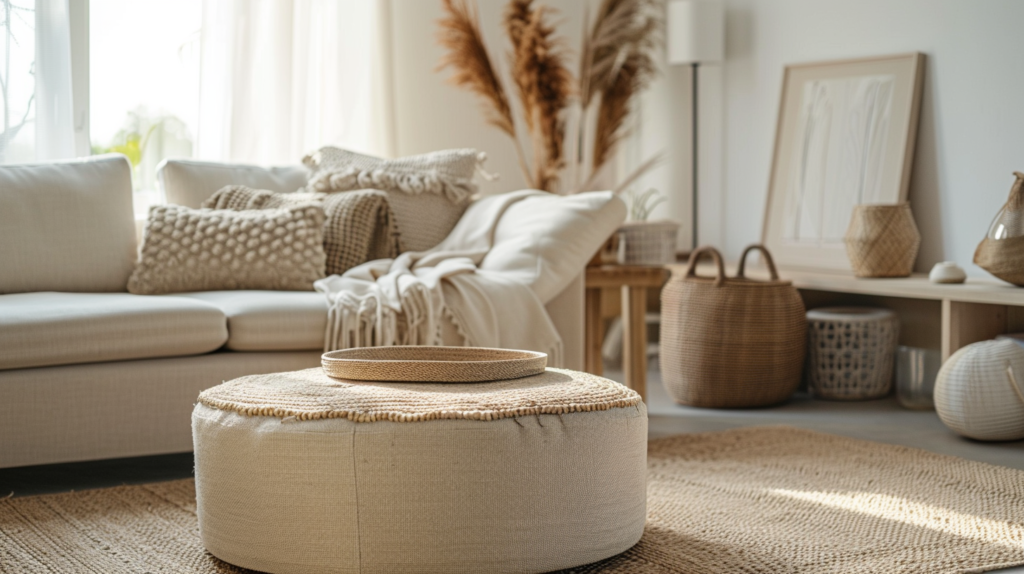
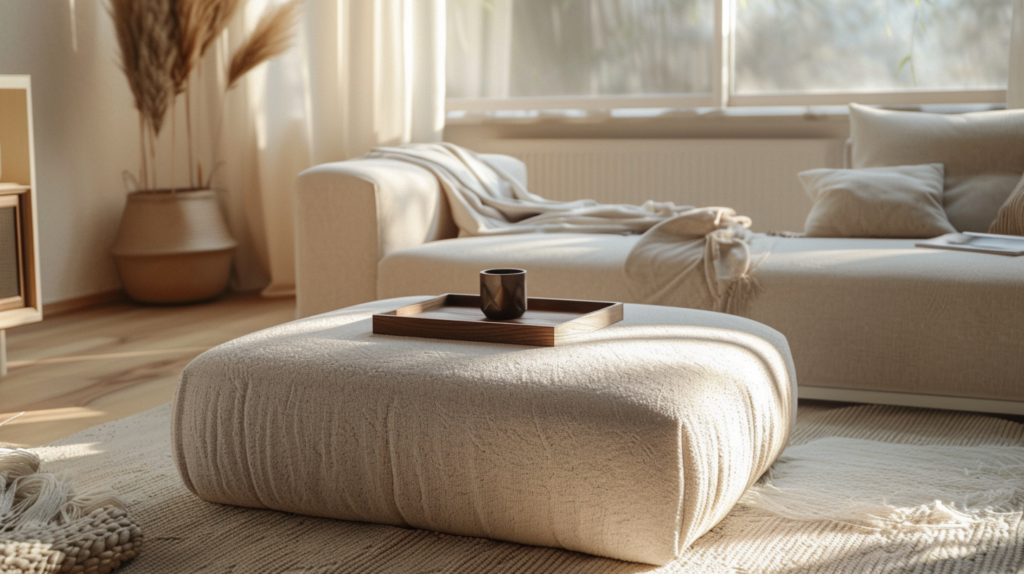
- For tight rooms: nesting tables or ottoman tray = smarter
Step 6: Walkways (small rooms win here)
If the room feels crowded, fix circulation first:
- move pieces off the main path
- use lighter furniture profiles
- reduce extra chairs/accessories
Circulation is design. Period.
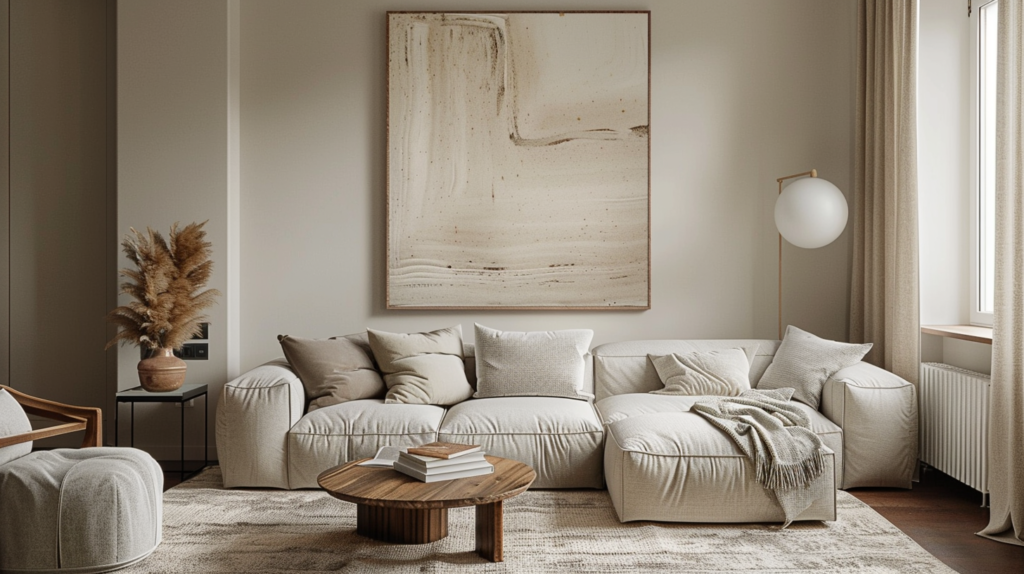
3 Layouts that work in small living rooms
Layout 1: Sofa facing TV (easiest)
- sofa faces TV wall
- one chair angled
- rug anchors everything
Layout 2: L-shape sofa (only if it fits)
- follow two walls
- chaise should not block entry path
Layout 3: Sofa + two light chairs (airy + balanced)
- sofa on one side
- two chairs opposite
- keeps space open
Common mistakes (avoid these)
- rug too small
- TV too high
- coffee table too big
- too many tiny decor pieces (visual clutter)
- blocking the entry path
- no lamps (flat lighting)
Quick Checklist (copy/paste)
- Clear path from entry to seating
- One focal point only
- Front legs on rug
- Coffee table proportionate
- TV comfortable height
- At least one lamp for depth
FAQ
Q1: Should I push all furniture against the wall?
Not always. If you can pull the sofa slightly forward without blocking circulation, it looks more intentional.
Q2: What if my living room is super small and I can’t fit a big rug?
Use the biggest size that still allows movement. Even a slightly bigger rug makes the room feel larger than a tiny “floating” rug.
Q3: Where should I place an accent chair?
Angle it near the sofa corner so it supports the focal point without blocking walkways.
Q4: What’s the #1 thing that makes a small living room look cheap?
A rug that’s too small + cluttery small decor everywhere.
Want me to layout your living room properly?
Send:
- room dimensions (L×W)
- door + window locations
- sofa size
- TV wall
…and I’ll give you 2–3 layout options.