
Rug Size Guide: How to Choose the Right Rug Size for Every Room (Without Guessing)
A rug can make a space look designer-level expensive… or it can make it look awkward in 2 seconds. And 90% of the time, the problem isn’t the rug style — it’s the size.
This guide is your “no regret” rug sizing cheat sheet for living rooms, bedrooms, dining areas, hallways, and more.
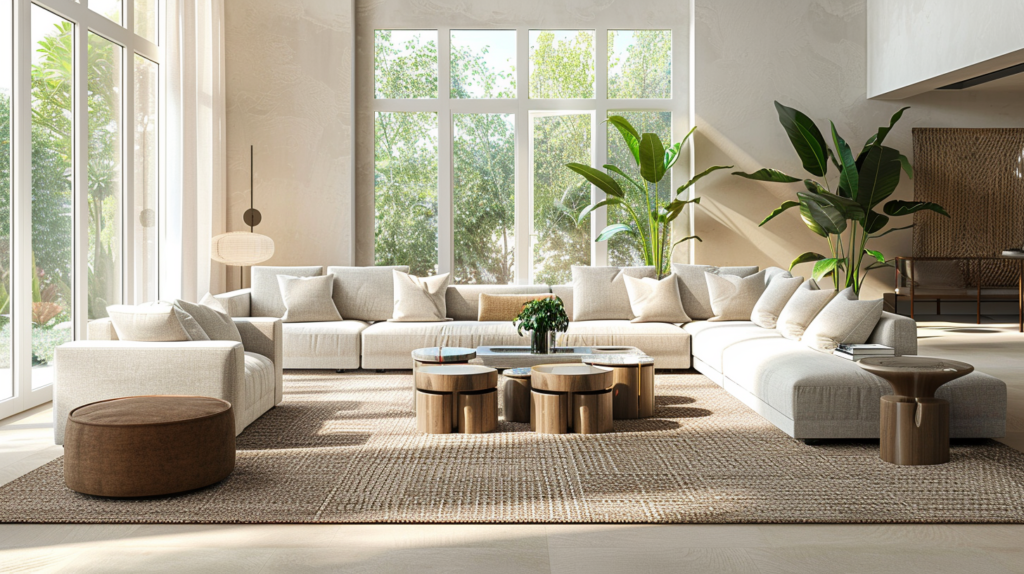
The Golden Rule (Memorize This)
When in doubt: go bigger.
A too-small rug makes the whole room look smaller and “floating.” A slightly bigger rug makes everything feel intentional.
Quick Cheat Sheet
Use these rules before you overthink anything:
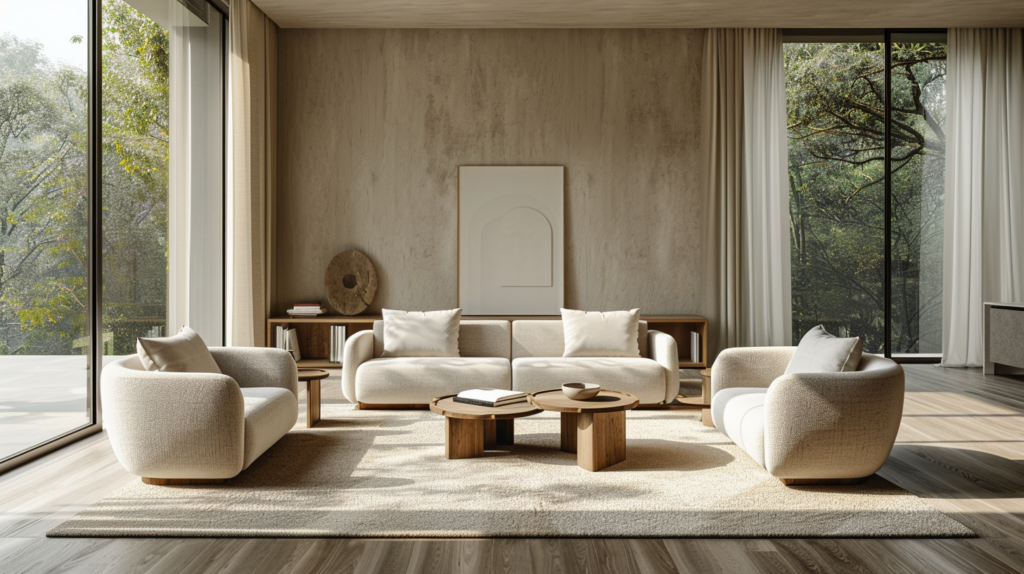
- Living room: at least the front legs of the sofa + chairs should sit on the rug.
- Dining room: rug must be big enough so chairs stay on the rug even when pulled out.
- Bedroom: rug should extend on both sides of the bed (so your feet land on it).
- Hallway: leave a clean border of floor on both sides for a neat look.
Step 1: Measure Like a Designer (Super Easy)
Before you buy anything:
- Measure the seating or bed area (length + width).
- Use masking tape on the floor to outline the rug size you’re considering.
- Walk around it. Pull chairs out. Open doors.
If it feels tight → size up.
Living Room Rug Sizes (Most Common Mistake Zone)
Option A: “Front Legs On” (Best for most homes)
- Place the rug so the front legs of the sofa and chairs sit on it.
- The rug should extend at least 20–30 cm beyond each side of the sofa if possible.
Typical sizes that work well:
- 160×230 cm (small living rooms)
- 200×300 cm (most common + safest)
- 240×340 cm (large living rooms)
Option B: “All Legs On” (The luxury look)
- Sofa + chairs fully on the rug.
- Looks high-end and very clean.
Go for:
- 240×340 cm and up (depending on your room)
Option C: “Just Coffee Table” (Try to avoid)
- Only the coffee table sits on the rug.
- Usually looks “unfinished” unless the room is tiny.
If your room is small and you must do this, pick a rug big enough to reach close to the sofa, not a tiny island.
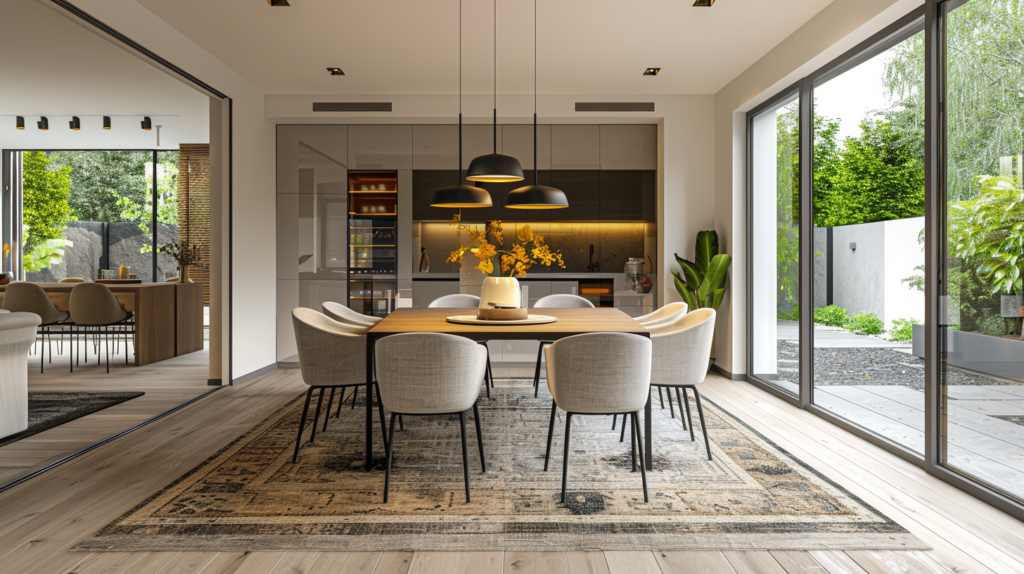
Dining Room Rug Sizes (The Chair Test)
This is the rule:
Rug should extend 60–75 cm beyond the table on all sides.
So when you pull chairs out, the chair legs still stay on the rug.
Example:
- Table 160×90 cm → rug should be roughly 280×210 cm (or closest available like 200×300 depending on layout)
Best rug shapes:
- Rectangle rug for rectangle tables
- Round rug for round tables (same rule: add 60–75 cm all around)
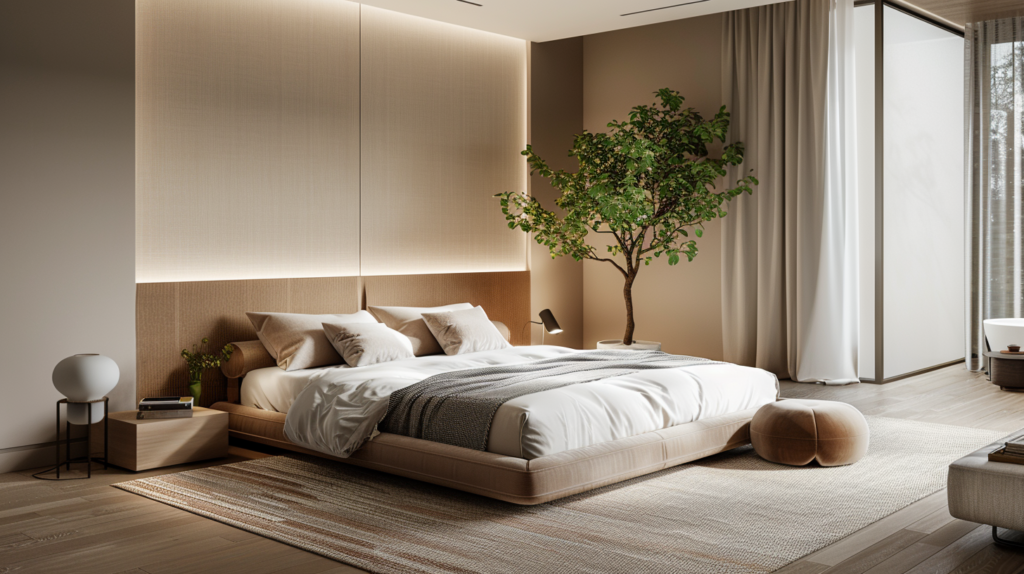
Bedroom Rug Sizes (So Your Feet Don’t Touch Cold Floor)
Option A: Rug Under the Bed (Best look)
Place the rug under the bed, starting around 2/3 under the bed.
Good targets:
- Queen bed: usually 240×340 cm looks amazing
- King bed: 300×400 cm (if you have space)
Option B: Two Side Rugs (Budget-friendly + clean)
Two runners or side rugs on each side:
- 70×200 cm (common)
- 80×250 cm (better coverage)
Option C: Rug at the Foot of the Bed
Nice aesthetic, but doesn’t solve the “feet landing” problem.
Use it as a styling piece if you already have side coverage.
Hallway + Entryway Rug Sizes (Runner Rules)
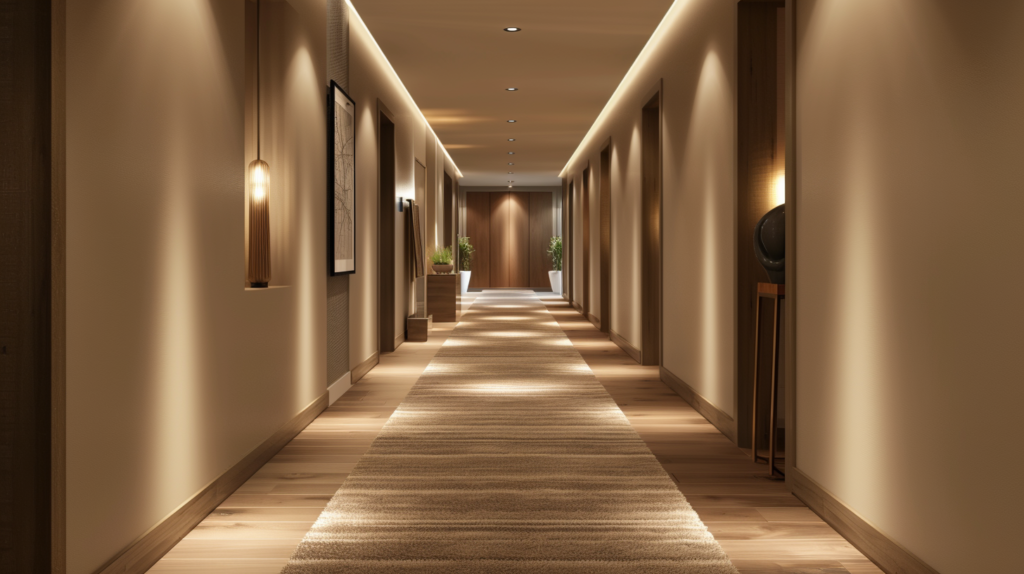
For runners:
- Leave 10–15 cm border of floor visible on both sides (cleaner look).
- Runner width should feel centered and not wall-to-wall.
Common runner sizes:
- 80×250 cm
- 80×300 cm
- 90×300 cm
Tip: If your hallway is long, it’s better to use one long runner than two small ones with a gap.
Kitchen Rugs (Yes, They Can Look Good)
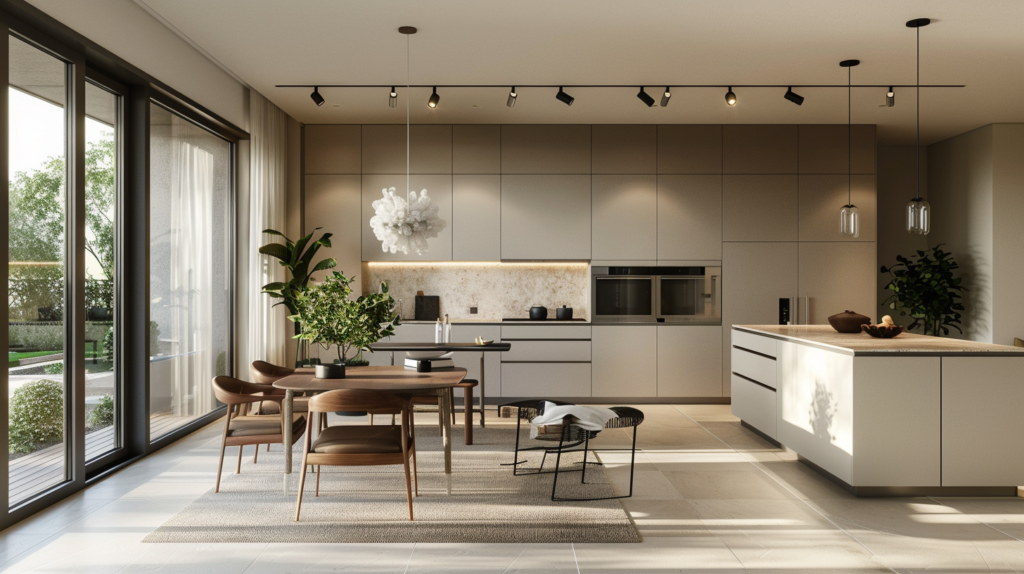
Keep it practical:
- Go for low pile (easy to clean, less dust trapping)
- Choose washable or easy-wipe materials
Common sizes:
- Sink area: 60×90 cm
- Galley kitchen runner: 80×250–300 cm
Round Rugs (When They Work Best)
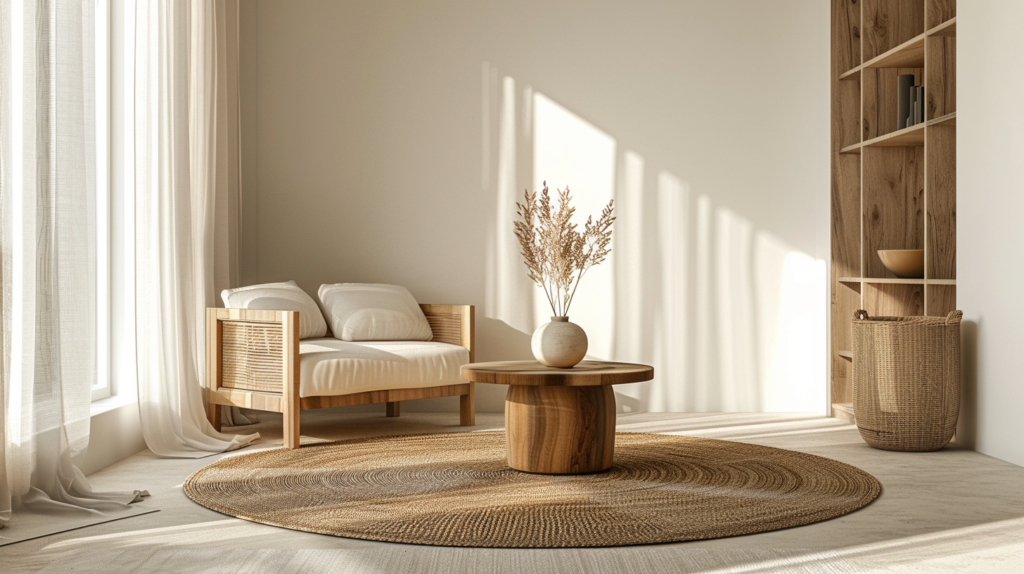
Round rugs are perfect for:
- Reading nooks
- Under round dining tables
- Entry corners with a chair + side table
Rule stays the same:
Add 60–75 cm beyond furniture edges (especially for dining chairs).
Materials + Pile Height (Real Life Tips)
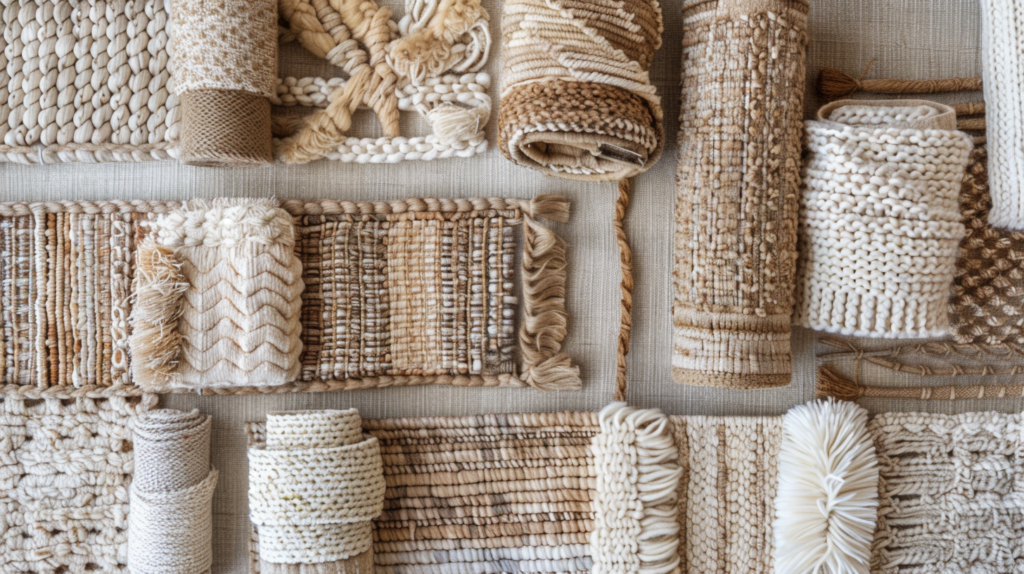
If you want it to stay nice and easy:
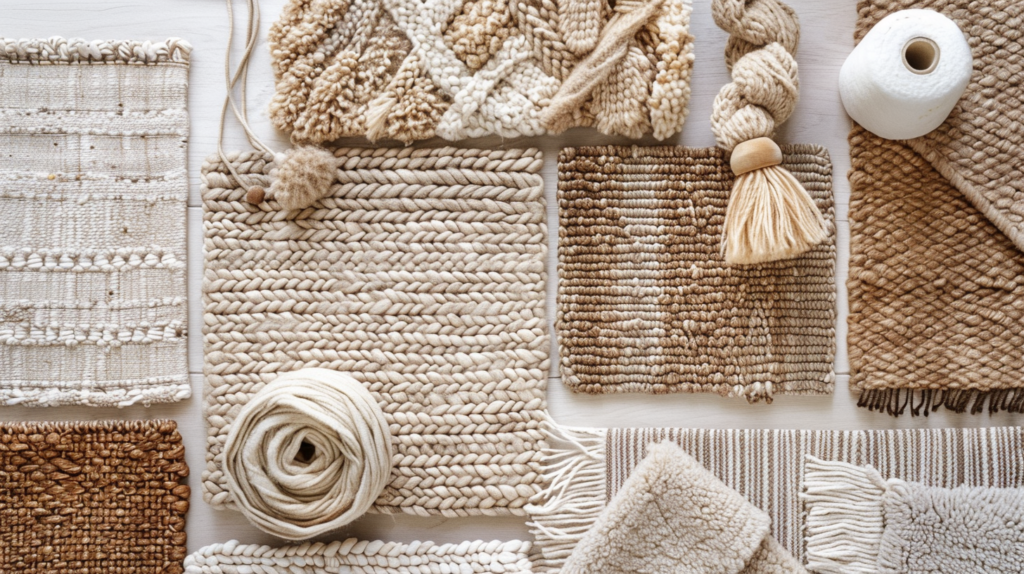
- Low pile = cleaner look, easier maintenance, less dust drama
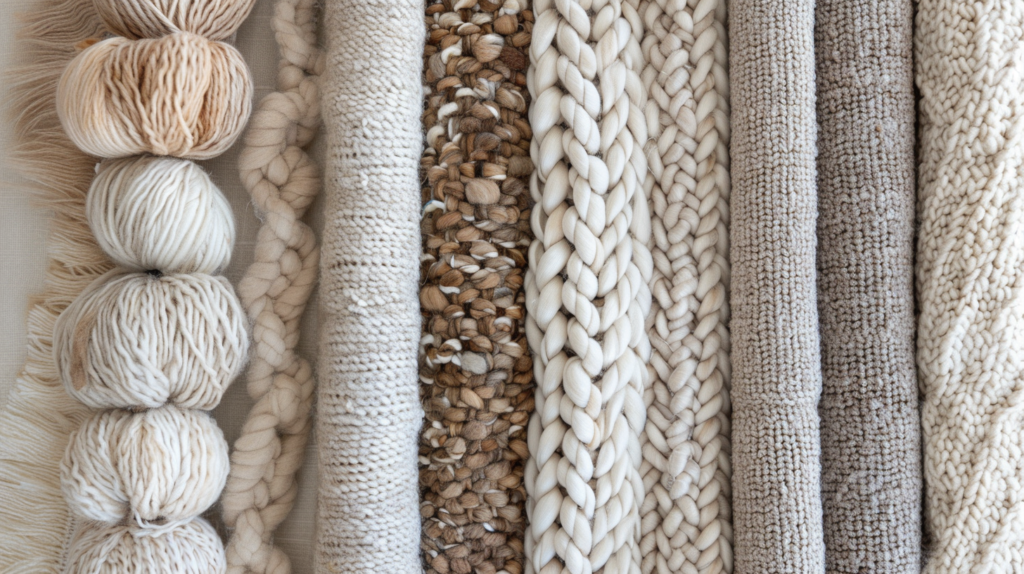
- Wool = luxurious, but can shed (especially new rugs)
- Polypropylene / indoor-outdoor = super practical, great for high traffic
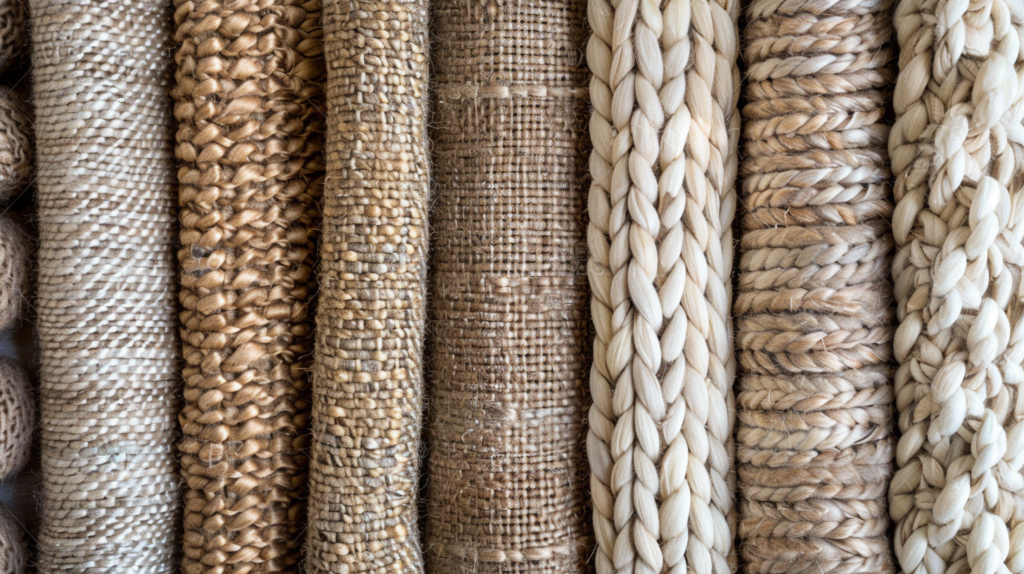
- Jute = pretty, but can be rough + sensitive in some conditions (and stains are a pain)
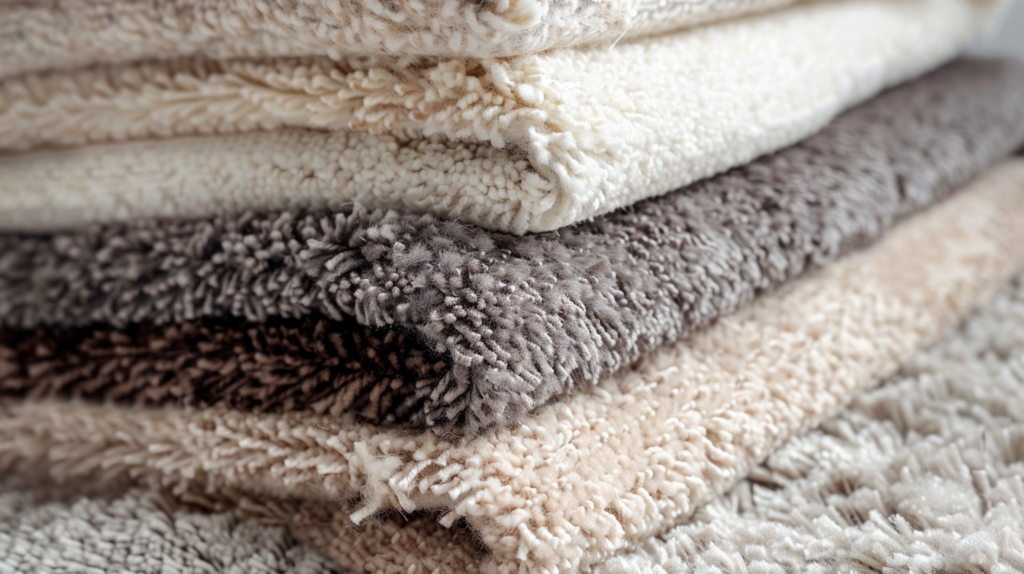
7 Rug Mistakes That Instantly Ruin a Room
- Buying a rug that’s too small
- Rug not aligned with the seating zone
- Dining rug too small (chairs fall off)
- Rug blocking doors
- Too thick rug under dining chairs
- Ignoring rug padding (sliding = annoying + unsafe)
- Rug pattern too busy for a busy room (visual chaos)
FAQ
Should a rug go under the sofa?
Yes — ideally front legs on at minimum. It anchors the space.
How do I stop a rug from sliding?
Use a rug pad. Even a basic one makes a huge difference.
How far should the rug be from the wall?
A clean look is leaving 20–30 cm of floor visible around the rug (but this depends on room size).